
Comprehensive Guide on General Freight
1. Introduction to General Freight
General freight refers to a broad category of goods that are transported by various modes, including trucks, rail, ships, and air. Unlike specialized freight, such as refrigerated goods or hazardous materials, general freight includes everyday consumer and commercial products that do not require special handling.
2. Types of General Freight
General freight covers a wide range of commodities, including:
- Consumer Goods – Clothing, electronics, furniture, appliances
- Industrial Goods – Machinery, tools, building materials
- Retail Products – Packaged foods, non-perishable items
- Automotive Parts – Car engines, tires, accessories
- Office Supplies – Paper, computers, printers
3. Modes of Transportation
General freight is transported using various methods based on cost, speed, and distance:
- Road Freight (Trucking)
- Most common mode for general freight
- Flexible and cost-effective for short- to medium-distance shipments
- Common vehicles: Dry vans, flatbeds, box trucks
- Rail Freight
- Cost-efficient for bulk shipping over long distances
- Suitable for large shipments of goods like lumber, metals, and packaged products
- Slower than road transport but more economical
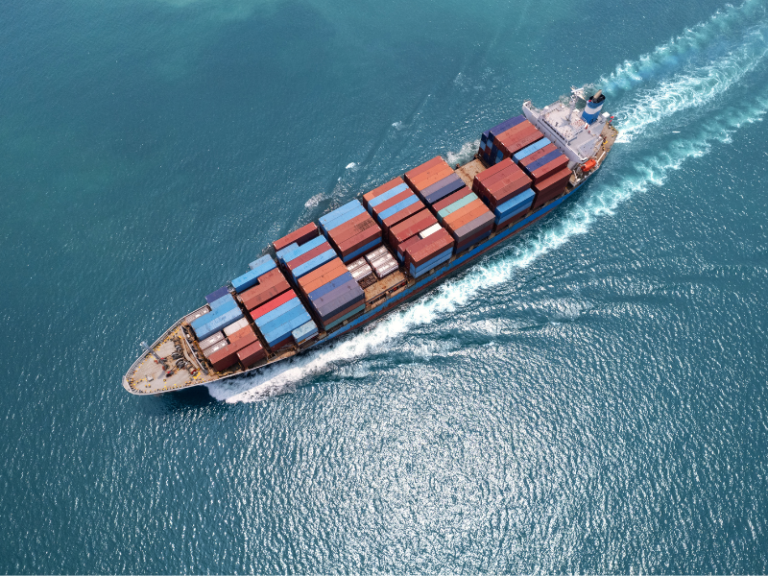
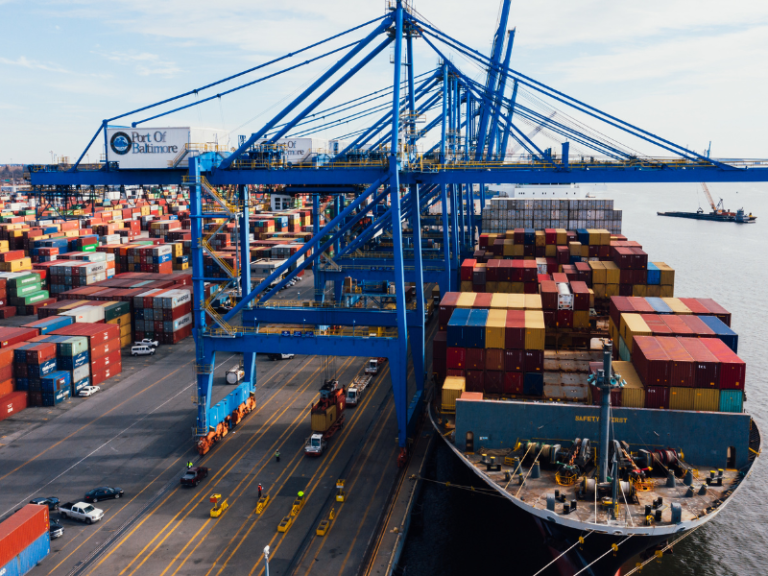
- Sea Freight (Shipping Containers)
- Used for international trade
- Best for heavy and non-urgent shipments
- Uses containers for efficient handling
- Air Freight
- Fastest but most expensive option
- Suitable for urgent and high-value goods
4. Freight Handling and Packaging
General freight must be properly packed and handled to ensure safe transport:
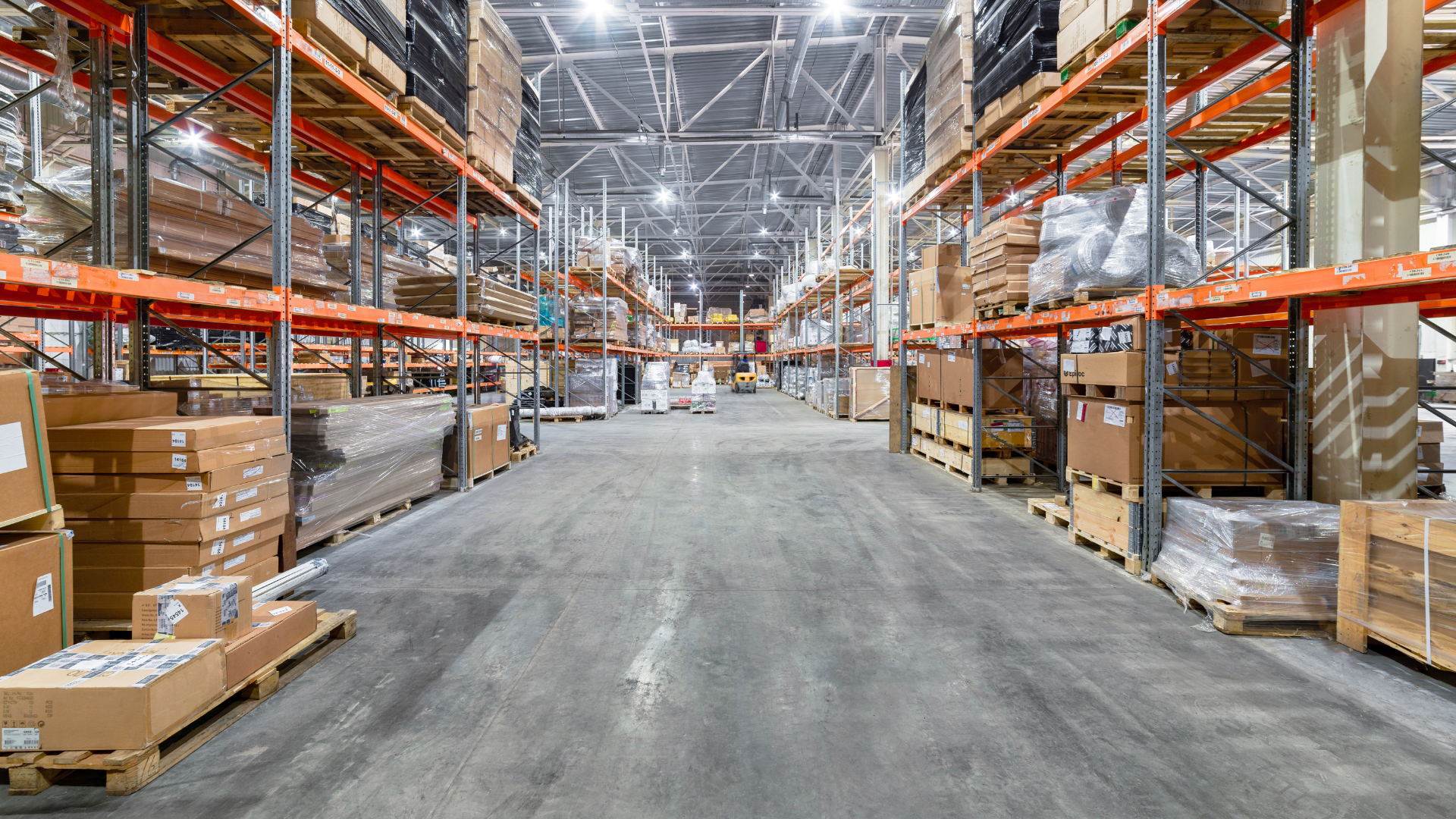
- Packaging – Goods are packed in boxes, crates, or pallets to prevent damage.
- Labeling – Includes details such as destination, handling instructions, and barcodes.
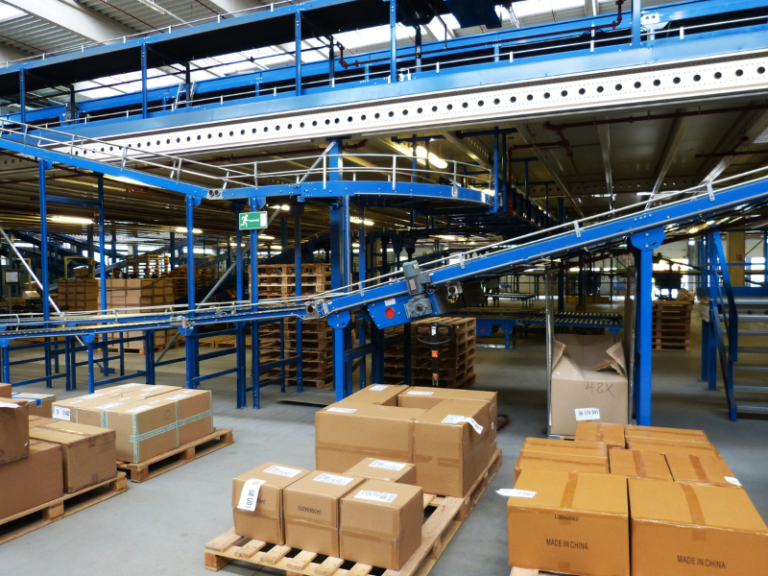
- Loading and Unloading – Uses forklifts, conveyors, or manual labor depending on the cargo.
5. Freight Classification and Pricing
Freight is classified based on:
- Weight and Volume – Charges are calculated per pound or cubic meter.
- Distance – Longer routes increase costs.
- Mode of Transport – Air freight is more expensive than road or rail.
- Freight Class – Determined by factors like density, handling, and liability risks.
6. Challenges in General Freight Transport
- Traffic and Delays – Congestion can affect delivery times.
- Fuel Costs – Fluctuations impact transportation expenses.
- Regulations and Compliance – Adhering to transport laws and safety standards.
- Supply Chain Disruptions – Weather, strikes, and geopolitical issues can impact movement.
7. Technology and Innovations in Freight Transport
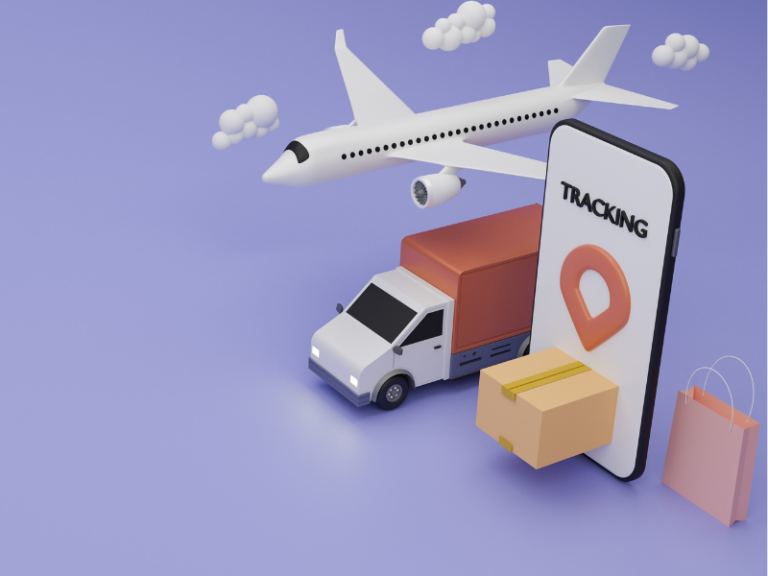
- GPS Tracking – Real-time monitoring of shipments.
- Automation & Robotics – Faster loading and unloading processes.
- AI & Predictive Analytics – Optimizes routes and reduces fuel consumption.
- Eco-Friendly Vehicles – Electric and hydrogen-powered trucks reduce emissions.
8. Conclusion
General freight is an essential part of global trade and supply chains, ensuring goods reach consumers and businesses efficiently. As technology and sustainability initiatives advance, the industry continues to evolve, making transportation more efficient, reliable, and cost-effective.
Hi, this is a comment.
To get started with moderating, editing, and deleting comments, please visit the Comments screen in the dashboard.
Commenter avatars come from Gravatar.